














Ceramic window tint gets talked about a lot, especially when heat and comfort become a daily problem. Someone mentions it at a shop. A friend recommends it. A sales rep pushes it as the “best option.” Then the quote comes in, and that’s when people pause.
The question usually isn’t whether ceramic tint works. It’s whether the price makes sense. Ceramic tint cost in the USA can feel all over the place. One place quotes a few hundred dollars. Another pushes close to a thousand for what sounds like the same thing. That gap is what creates doubt.
Understanding ceramic tint cost isn’t about memorizing numbers. It’s about knowing what you’re actually paying for and why those prices aren’t as random as they first appear.
Ceramic Tint Cost: Is the Premium Price Tag Actually Worth It?
Ceramic tint is expensive compared to standard films. There’s no way around that. But the higher price doesn’t come from branding alone. It comes from how the film is built and how it performs once it’s on the car.
Unlike dyed or metallic tint, ceramic film uses non-metallic particles designed to block infrared heat. That matters because infrared radiation is what makes the inside of a car feel unbearable after sitting in the sun. Blocking visible light alone doesn’t solve that problem.
What people usually notice first after installing ceramic tint is how different the car feels, not how it looks. The cabin heats up slower. The steering wheel doesn’t feel scorching. The AC doesn’t need to run at full blast just to feel normal.
That comfort is what drives ceramic tint cost higher than entry-level options. Cheaper films darken the glass. Ceramic films actually manage heat. Over time, that difference becomes hard to ignore, especially in warmer states or for anyone who spends hours in traffic. Here are other things you need to know about tinting car windows.
Average Costs for Different Vehicle Types
Ceramic tint cost changes depending on the car itself. A compact sedan and a full-size SUV don’t require the same amount of film or labor, and installers price accordingly.
For smaller cars, ceramic tint usually lands somewhere between four hundred and seven hundred dollars for side and rear windows. Windshields are often separate because the film is larger, lighter, and more precise to install.
SUVs and crossovers usually cost more. Larger glass surfaces, steep rear windows, and additional panels all add time. Quotes for these vehicles often sit closer to six hundred to nine hundred dollars.
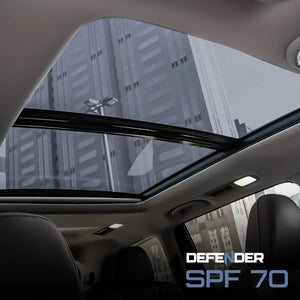
Trucks and vans can push costs even higher, especially if they have extended cabs or extra rear glass. Panoramic roofs and specialty windows also increase ceramic tint cost, sometimes significantly.
These numbers aren’t rules. They’re reference points. The real price depends on what film is used, who installs it, and how detailed the job needs to be.
Why Did My Neighbor Pay Less? Factors That Influence Your Quote
This is where most confusion comes in. Two people get ceramic tint and pay very different prices. That doesn’t automatically mean one was ripped off.
Not all ceramic tint is equal. Some films labeled “ceramic” only contain a small amount of ceramic material. Others are built specifically for high infrared rejection and clarity. The difference shows up in performance, not always in appearance.
Installer experience matters more than most people expect. Precision work costs more because mistakes cost more. Cutting film cleanly, shaping it properly, and curing it correctly take time. Skilled installers charge for that time.
Location also plays an important role as the shops in larger cities will have to deal with higher rent, insurance and labor costs. Their ceramic tint cost reflects that reality. Smaller shops in quieter areas may charge less, even when using similar products.
Warranty coverage is another factor people overlook. Some ceramic films come with long-term or lifetime warranties. Others don’t. That protection is built into the price, whether it’s obvious or not.
Avoid the Low Price Trap: Quality Matters a Lot
Ceramic tint that’s priced far below the market average should raise questions. Not because deals never exist, but because quality has limits.
Low-cost ceramic tint often cuts corners. The film may look fine at first, but performance drops quickly. Heat rejection isn’t as strong. Fading starts earlier. Clarity can degrade over time.
Installation shortcuts cause problems too. Dust under the film. Edges that don’t sit flat. Bubbles that appear weeks later. These aren’t cosmetic issues alone. They shorten the life of the tint and lead to removal and reinstallation costs that nobody planned for.
Understanding ceramic tint cost means accepting that durability, comfort, and clean installation are connected. Saving a little upfront can turn into paying twice later.
Maximize Your Investment: Why Trust GSWF Certified Installers
Ceramic tint performs the best when the film and installer actually work together. GSWF certified installers follow specific standards that actually protects both the product and the vehicle.
Certification actually means that the installer understands how the film behaves and knows how to prepare the glass correctly and also how to apply the tint evenly which is very important. These steps affect the clarity, longevity, and legal compliance.
In simple words, GSWF ceramic tint is engineered to deliver consistent performance. When installed correctly it maintains shade accuracy, blocks heat effectively, and also avoids the issues that lead to early replacement.
Choosing certified installers isn’t really about paying more for a label but its more about reducing risk. Proper installation also ensures that the ceramic tint cost actually translates into long-term value, not frustration.
Conclusion
Ceramic tint cost in the USA varies because the ceramic tint itself varies. Film quality, vehicle type, installer skill, location and warranty coverage all do influence the final cost.
The higher price isn’t just about the darker glass. It’s also about heat control, durability, and the comfort that lasts. For drivers who keep their vehicles for years or even deal with constant sun exposure then ceramic tint often proves to be worth the investment.
The smartest approach is by understanding what goes into the price rather than just comparing the numbers alone. When quality film is paired with a skilled installation then ceramic tint becomes one of those upgrades that quietly improves every drive.